Skip to case study
PortfolioCase Study

Human-Computer Interaction · Undergraduate Research

OneTap

Exploring how authentication choice, contextual security feedback, and recovery options influence the experience of logging in.

Date
October 2025 – Present
Research in Progress
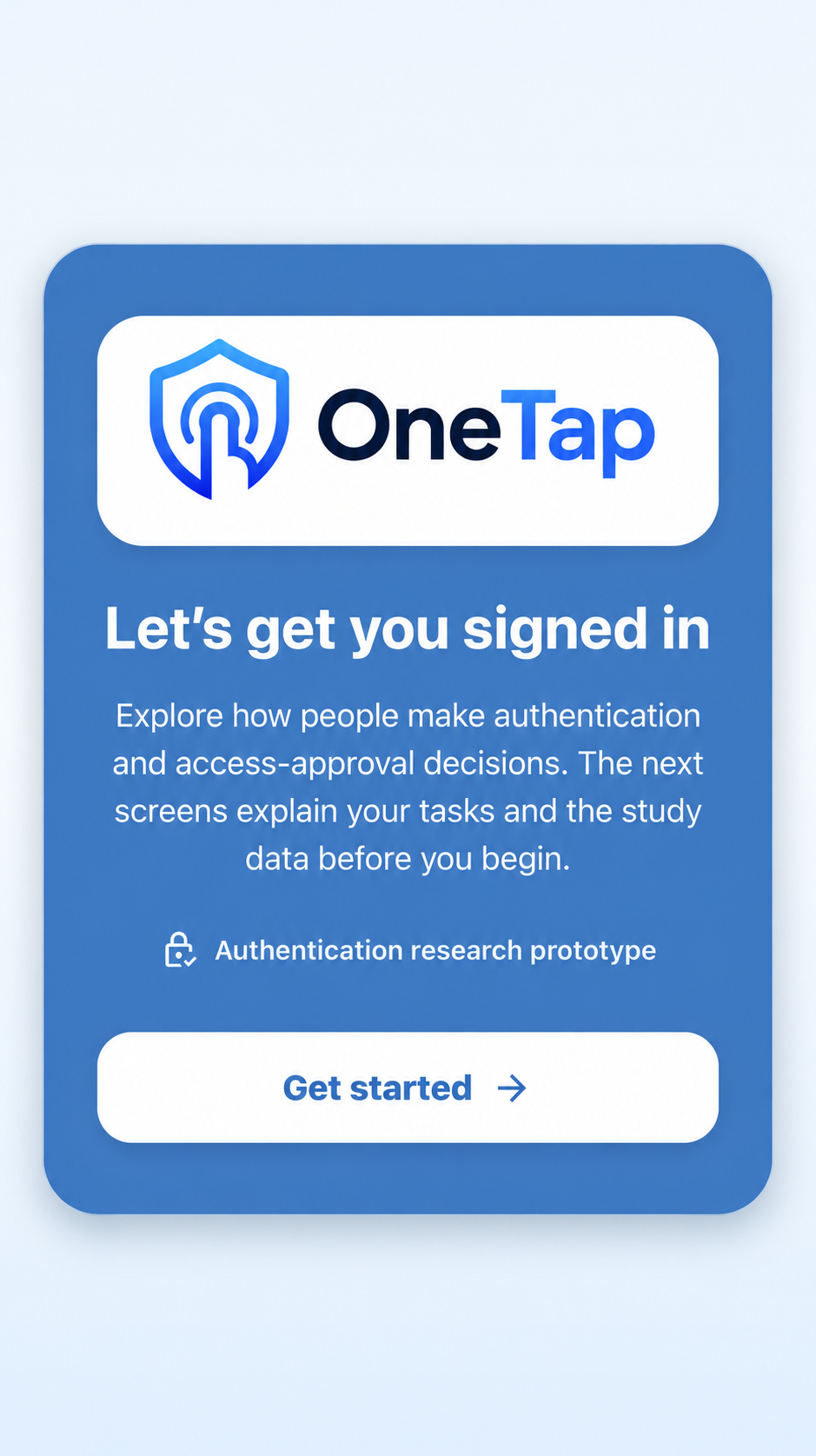
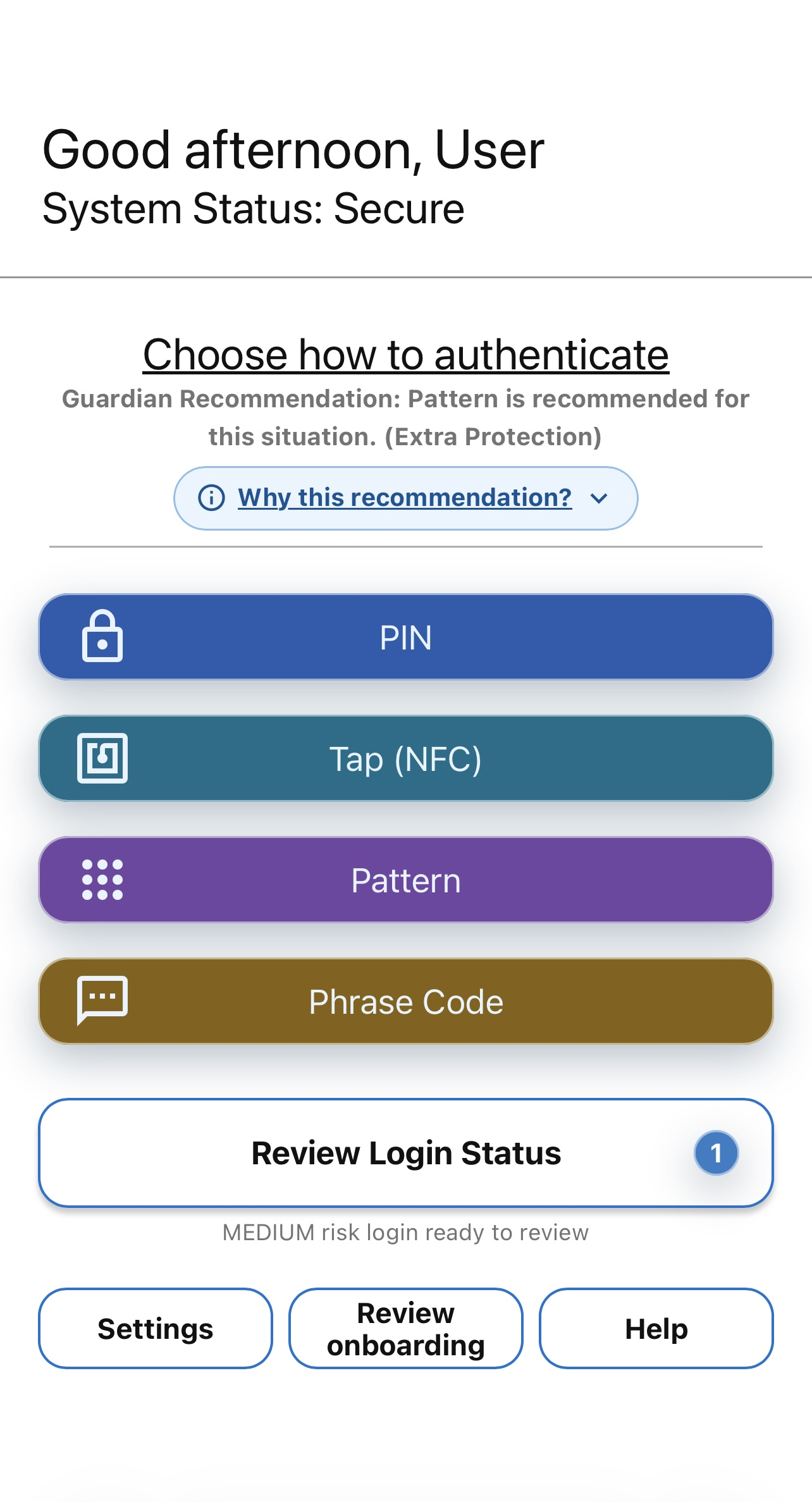
OneTap welcome screen introducing the authentication research prototype
Prototype welcome experienceUndergraduate research
01

Overview

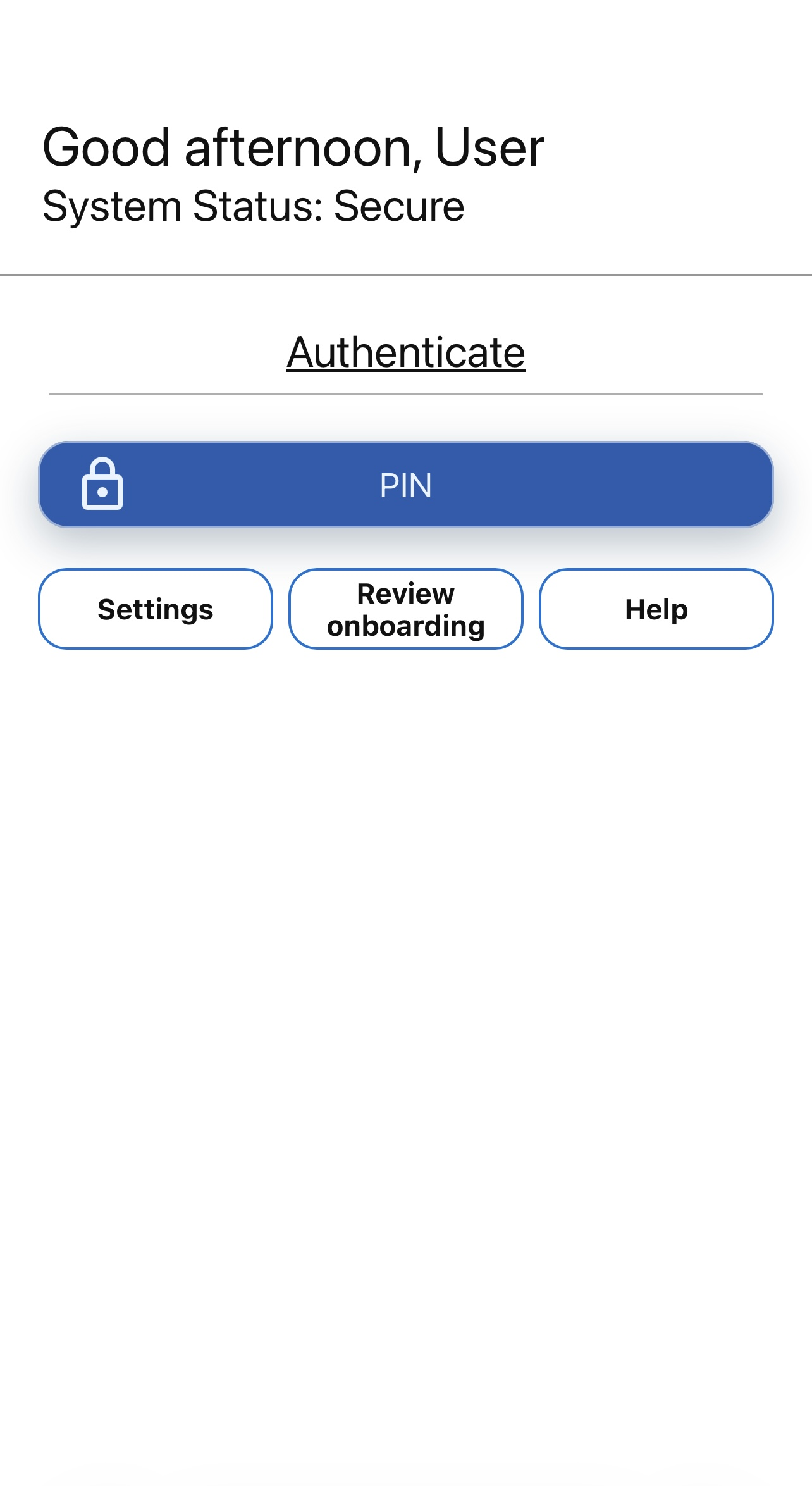
OneTap is an experimental authentication prototype designed to investigate whether giving users multiple ways to authenticate can improve their experience compared with a fixed PIN-only login.

Role
Undergraduate Researcher · UX Designer · Prototype Developer
Faculty Mentor
Dr. Joyram Chakraborty · Towson University
Focus
Human-Computer Interaction, Usable Security, Accessibility, Authentication
02

The Problem

Fixed login methods may not accommodate every user's needs, preferences, or circumstances. A method that feels intuitive to one person may introduce difficulty for another, while limited recovery options can add frustration when authentication fails.

OneTap investigates whether flexibility can reduce friction without sacrificing users' understanding of security-related decisions.

03

Process

  1. Establish the research foundation

    Reviewed literature on usable security, authentication accessibility, and common login challenges to center the project on choice, perceived control, and recovery.

  2. Design the authentication framework

    Defined four connected components: Key for method selection, Vault for credential verification, Guardian for contextual guidance, and Interface for selection, verification, and recovery.

  3. Build the interactive prototype

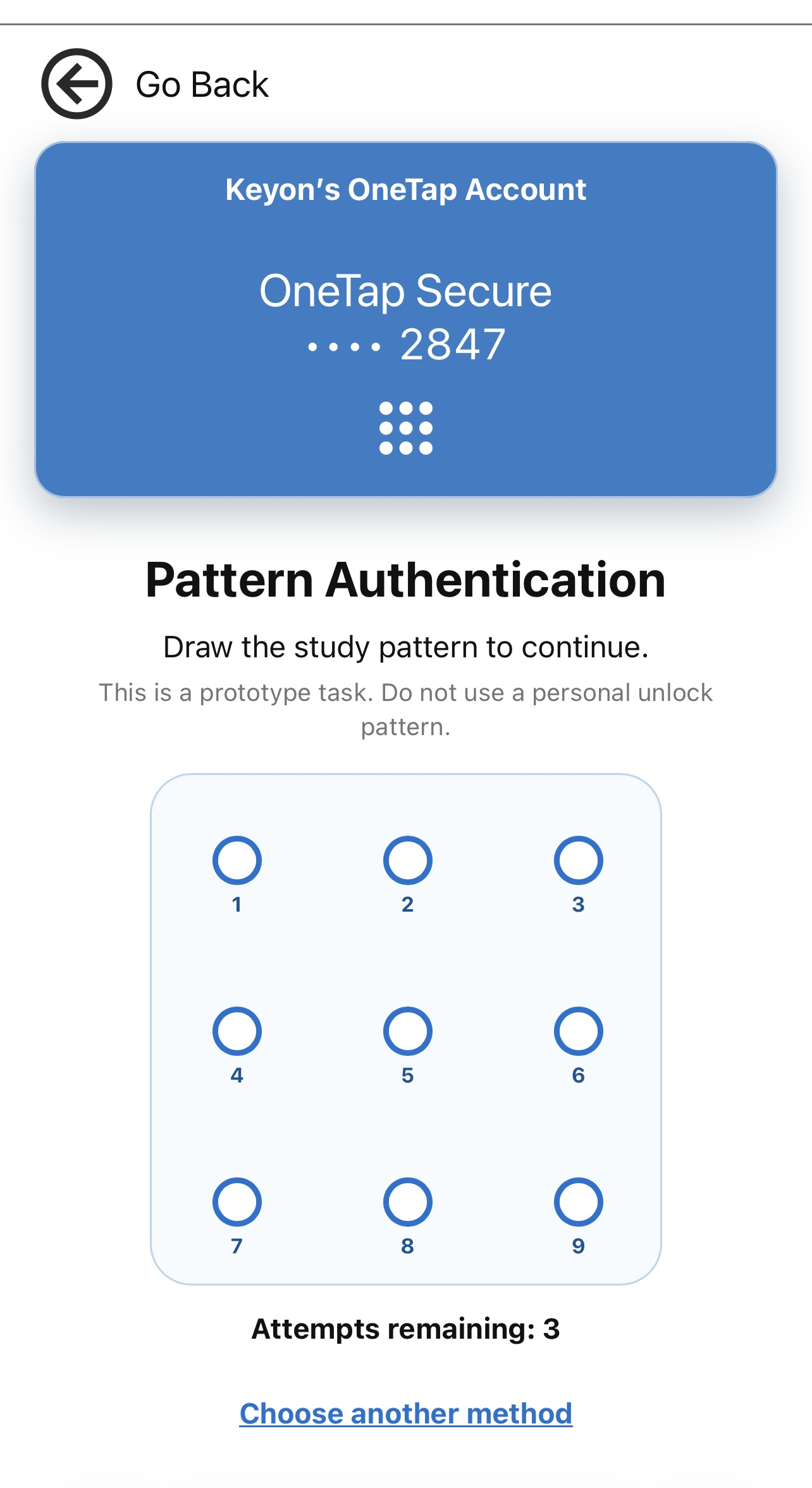
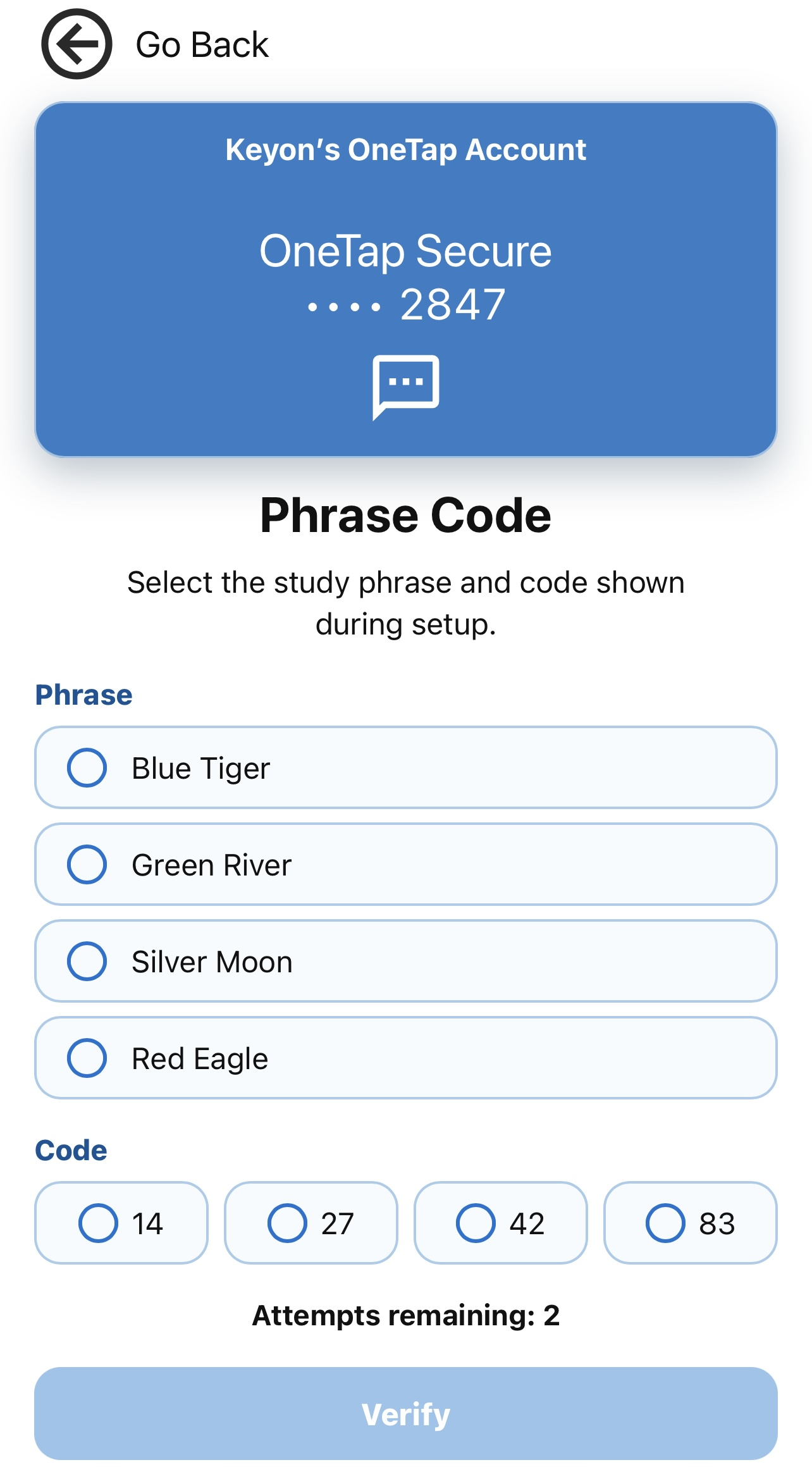
    Developed a browser-based React prototype with simulated authentication, method selection, Guardian status messages, and recovery interactions.

  4. Design the research evaluation

    Planned a within-subjects study comparing fixed PIN-only authentication with OneTap's flexible, multi-method experience.

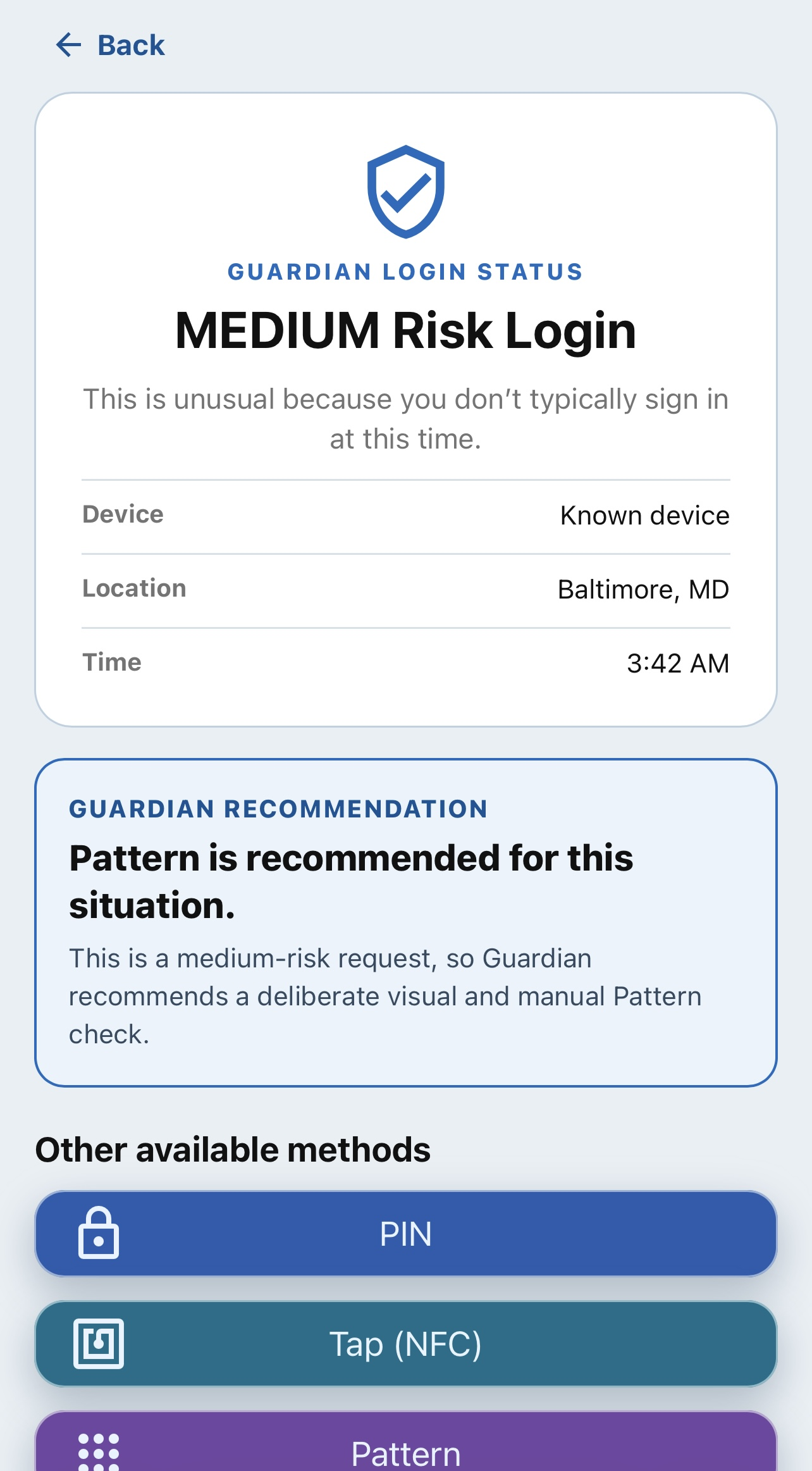
Guardian status screen explaining a simulated medium-risk login and recommending Pattern authentication

Contextual guidance through Guardian

Guardian explains the simulated login context and recommends a method while leaving the other options available.

Prototype note: The risk assessment and recommendation are simulated research prompts. Pattern authentication is not inherently stronger than a PIN; security depends on implementation and policy.
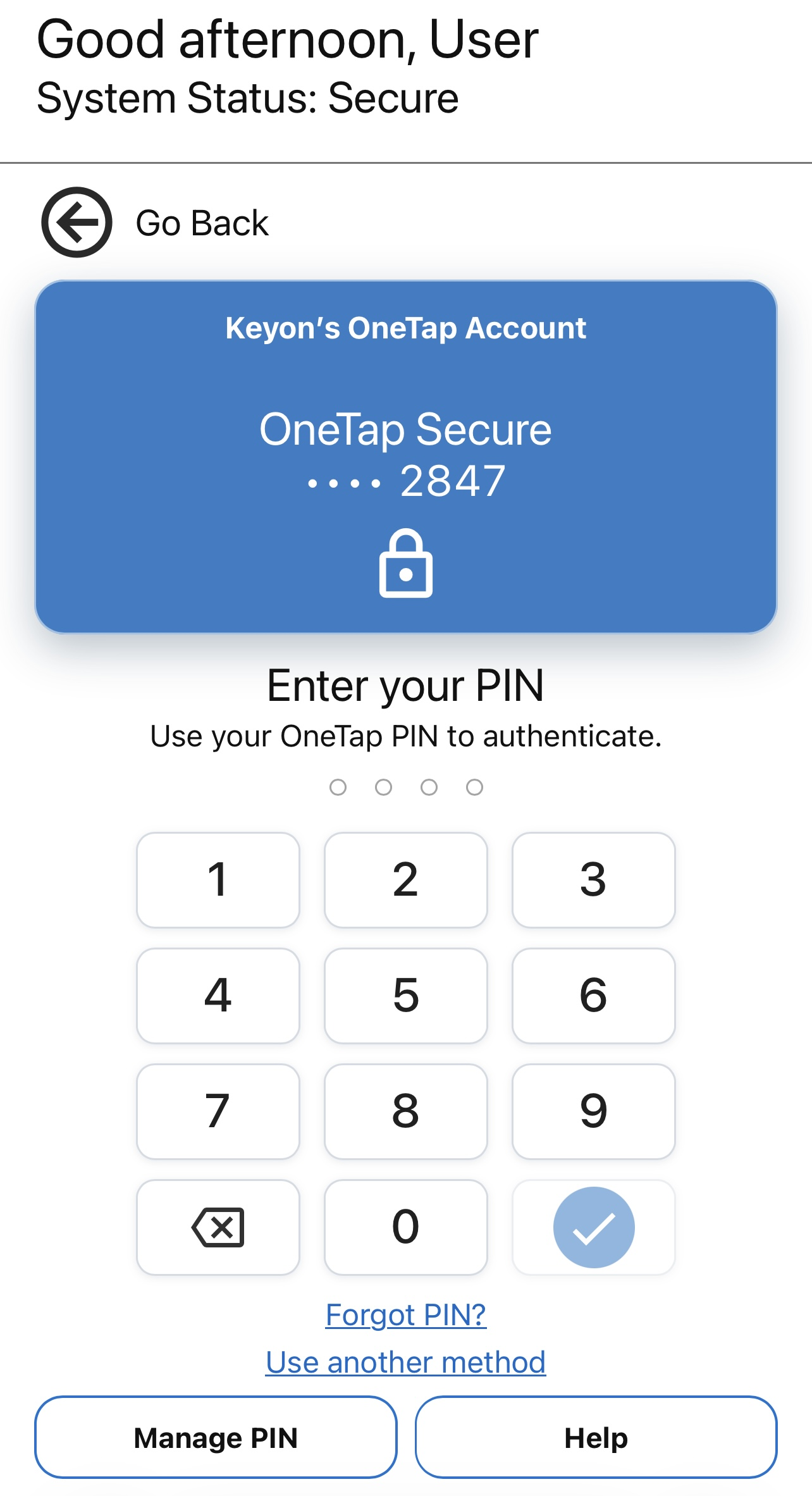
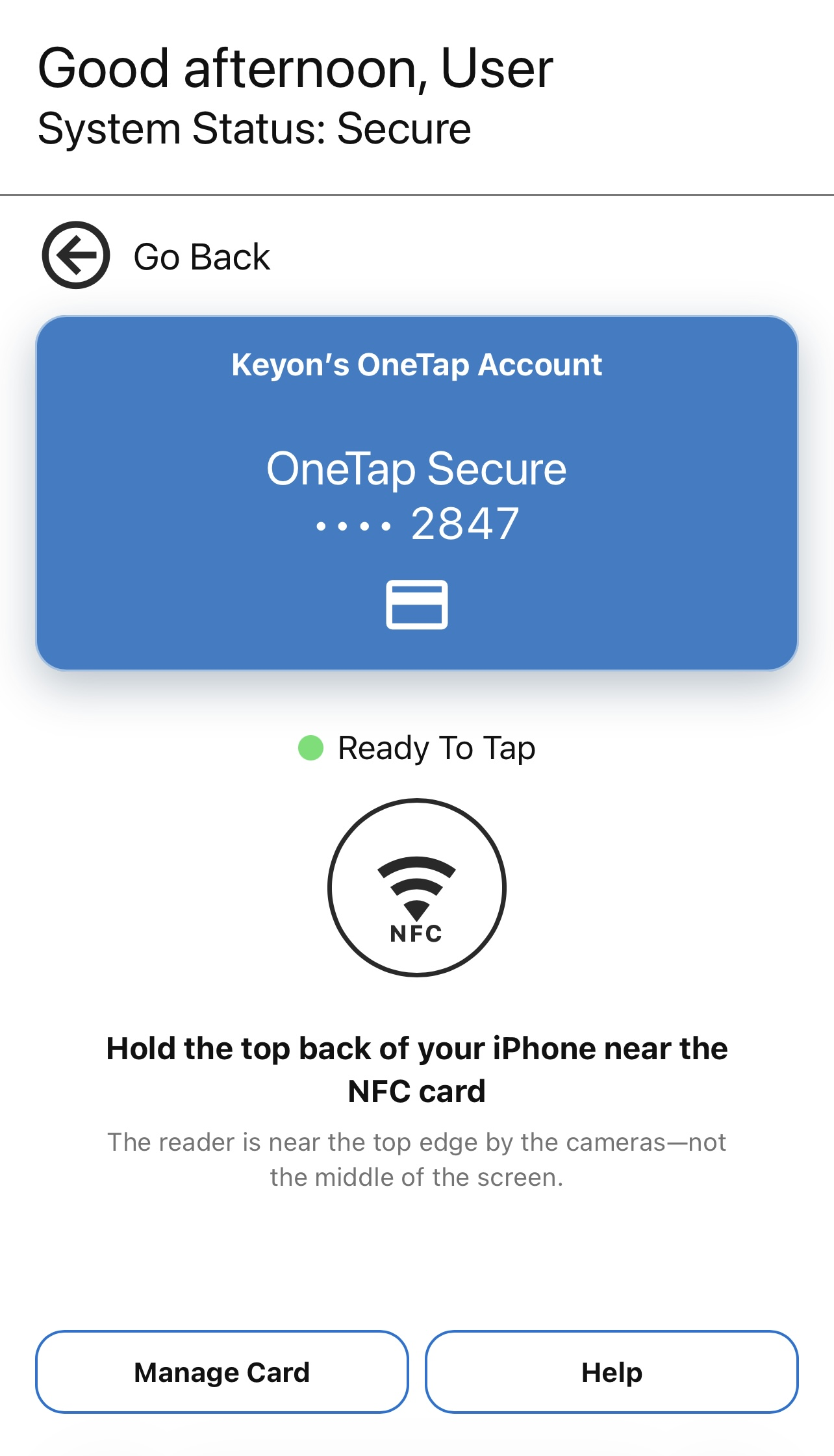
Observe how different people authenticate

The counterbalanced study uses fictional credentials, simulated higher-risk authentication, and unsuccessful-login recovery. Measures include task completion, login time, attempts, errors, perceived control, confidence, risk understanding, and participant preference.

04

Outcome

OneTap has progressed from an authentication concept into an interactive research prototype with a defined research question, hypothesis, and usability evaluation plan.

  • A conceptual multi-method authentication framework
  • An interactive prototype demonstrating different authentication experiences
  • A comparative research design examining fixed and flexible authentication flows
  • Planned quantitative and qualitative measures for understanding login usability

Study preparation is ongoing

Formal participant evaluation and findings remain pending the appropriate research approvals and study execution. Next steps are to refine the prototype, finalize procedures, conduct approved usability testing, and analyze how authentication flexibility influences user experience.